Source antioxidant pine bark extract for supplements, food, and cosmetics
Find 30 verified listings for antioxidant pine bark extract suitable for health care products, food supplements, and topical applications. Buyers can compare specifications, certifications, and pricing to identify the best fit for their manufacturing needs.
Key considerations
Products List




Comprehensive Sourcing Guide
Strategic Sourcing Guide for Antioxidant Pine Bark Extract
Procuring high-quality antioxidant pine bark extract requires a disciplined approach that balances technical specifications with rigorous compliance verification. For B2B buyers in the health care, food, and dietary supplement sectors, the market offers a diverse array of options, yet the variance in extraction methods, active ingredient concentrations, and regulatory adherence can be significant. This guide synthesizes observed market data and trusted industry knowledge to provide a framework for evaluating suppliers and products effectively. The focus remains on objective facts derived from current product listings and established procurement standards, ensuring that decisions are based on verifiable data rather than speculative claims.
Technical Specifications and Active Ingredient Verification
The core value of pine bark extract lies in its antioxidant properties, primarily driven by proanthocyanidins. When sourcing this material, buyers must first establish a clear definition of the desired chemical profile. Market observations indicate that the active ingredient is consistently identified as proanthocyanidins, with specific listings noting content levels exceeding 90%. However, it is critical to treat such figures as observations of specific batches rather than universal guarantees for all suppliers. The extraction process typically utilizes ethanol and water as solvents, a method that preserves the integrity of the bioactive compounds while ensuring safety for human consumption.
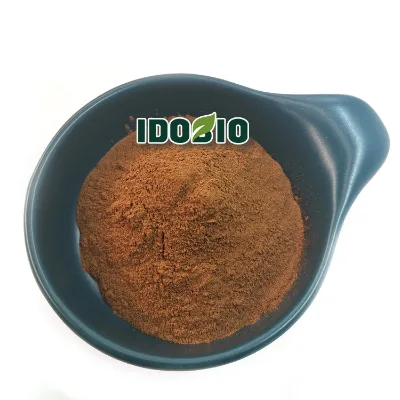
Physical appearance is another key specification. Products are generally described as powders, with color ranging from yellow-brown to reddish-brown. The particle size is a crucial factor for downstream manufacturing, particularly for capsule and tablet production. Verified data suggests that a common specification involves 100% of the powder passing through an 80-mesh screen, ensuring uniformity in mixing and dissolution. Buyers should verify the specific mesh size required for their production lines, as finer particles may offer better solubility but could present handling challenges in large-scale mixing.
The extraction ratio, often cited as 4:1, 5:1, or 10:1, indicates the concentration of the final product relative to the raw material. A higher ratio implies a more potent extract but also necessitates a more rigorous quality control process to ensure the active compounds have not degraded during the concentration phase. The state of the product is invariably powder, suitable for various application forms including capsules, tablets, pastes, suppositories, and lotions. Understanding these physical and chemical baselines allows procurement teams to filter out products that do not meet the fundamental technical requirements of their specific formulations.
Compliance, Certification, and Regulatory Standards
Navigating the regulatory landscape is perhaps the most critical aspect of sourcing pine bark extract. The product is widely categorized for use in health care products and food, which subjects it to stringent safety and quality standards. Verified listings frequently cite certifications such as HACCP, FDA, ISO, Halal, Kosher, ISO9001, and ISO22000. While these certifications are highly desirable, buyers must understand that the presence of a certificate name does not automatically imply current validity or scope.
The "food grade" standard is a baseline expectation for products intended for human consumption. However, the specific regulatory requirements vary by destination market. For instance, products entering the United States must comply with FDA regulations, while those destined for Europe may require compliance with EFSA guidelines. The "natural" resource status and "artificial planting" cultivation methods mentioned in some listings highlight the importance of traceability. Buyers should request proof of origin, as the place of origin is frequently cited as China, with specific regions like Qingdao and Shaanxi appearing in supplier data.
Verification of certifications should extend beyond the supplier's marketing materials. Procurement teams must demand valid, up-to-date certificates from the issuing bodies. The distinction between a product standard and a management system certification is vital; for example, ISO9001 refers to quality management systems, whereas specific product standards relate to the purity and safety of the extract itself. Buyers should also verify if the product meets the specific requirements for the intended application, such as food supplements or direct food ingredients, as the regulatory burden differs between these categories.
Cost Drivers and Pricing Dynamics
The pricing of pine bark extract is influenced by a complex interplay of factors, including the extraction ratio, active ingredient concentration, certification status, and order volume. Observed market data indicates a price range from 1 to 180 USD, though this wide variance often reflects differences in product grade, packaging, and the specific supplier's pricing strategy rather than a linear cost curve. The minimum order quantity (MOQ) is another significant cost driver, with observed ranges spanning from 1 to 1000 units.
Buyers should anticipate that higher concentrations of proanthocyanidins and more complex extraction processes will command a premium. The packaging method also impacts cost; options include drums, plastic containers, and vacuum packs, with specific details like 25kg drums or 1kg aluminum foil bags affecting the unit price. Furthermore, the supply ability of the manufacturer, often cited as 2000 kilograms per month, can influence pricing stability. Suppliers with limited capacity may charge higher prices to manage demand, while those with robust supply chains might offer more competitive rates for larger volumes.
Lead times are another variable that affects the total cost of ownership. While some listings suggest a delivery time of 3-5 days, this is likely applicable to sample orders or stock items. For bulk production, lead times may extend significantly depending on the manufacturing schedule and logistics. Buyers should factor in the cost of inventory holding and potential production delays when negotiating contracts. The availability of free samples is a common practice, allowing buyers to test quality before committing to larger orders, which can reduce the risk associated with initial procurement.
Typical Applications and Formulation Compatibility
Pine bark extract is highly versatile, finding application across multiple industries. The primary sectors include health care products, food supplements, and general food items. The product's application forms are diverse, ranging from capsules and tablets to pastes, suppositories, and lotions. This versatility makes it a valuable ingredient for manufacturers looking to diversify their product lines or develop new functional foods and beverages.
For the food and beverage industry, the extract serves as a natural antioxidant, helping to extend shelf life and maintain product quality. In the health care sector, it is utilized for its potential benefits in supporting cardiovascular health and reducing oxidative stress. The specific formulation requirements will dictate the necessary particle size and solubility of the extract. For example, liquid formulations may require a finer mesh size or a different extraction solvent profile compared to dry powder applications.
The compatibility of the extract with other ingredients is also a consideration. The "normal" storage method and a shelf life of over 12 to 24 months suggest stability under standard conditions, but buyers should verify the specific storage requirements for their intended application. The "artificial planting" of the source material may be relevant for buyers targeting organic or sustainably sourced markets, although this should be confirmed with specific supplier documentation. Understanding the end-use application allows buyers to specify the exact technical parameters required, ensuring the final product meets both regulatory and consumer expectations.
Supplier Evaluation and Quality Control Protocols
Evaluating a supplier for pine bark extract requires a multi-faceted approach that goes beyond price and lead time. The manufacturing process, specifically the solvent extraction method, must be validated to ensure no harmful residues remain in the final product. Quality control protocols are essential, with testing methods such as HPLC (High-Performance Liquid Chromatography), TLC (Thin Layer Chromatography), and UV (Ultraviolet) spectroscopy being standard for verifying the content of active substances.
Buyers should request detailed test reports for every batch, confirming the proanthocyanidin content and the absence of contaminants. The observation that test methods include HPLC and TLC is a positive indicator of a supplier's commitment to quality, but these results must be reviewed by qualified personnel. The "food grade" status and certifications like HACCP and ISO22000 provide a framework for quality management, but on-site audits or third-party verification may be necessary for high-volume contracts.
The supply chain transparency is also crucial. Knowing the place of origin, such as Qingdao or Shaanxi in China, helps in assessing the logistical risks and regulatory compliance of the source. The port of dispatch, often listed as Tianjin, Shanghai, or Qingdao, impacts shipping costs and delivery times. Buyers should evaluate the supplier's ability to maintain consistent quality over time, given the variability inherent in natural products. The "natural" resource status and specific cultivation methods should be documented to ensure they align with the buyer's sustainability and ethical sourcing goals.
Long-Term Procurement and Relationship Management
Establishing a long-term procurement strategy for pine bark extract involves more than just securing a single order. It requires building a relationship with a supplier who can provide consistent quality, reliable lead times, and responsive support. The observed shelf life of 12 to 24 months allows for strategic inventory planning, but buyers must monitor storage conditions to maintain product integrity over time.
Negotiating contracts that include clauses for quality assurance, batch testing, and supply continuity is essential. Given the observed supply ability of 2000 kilograms per month, buyers should assess whether the supplier can scale production to meet increasing demand without compromising quality. The availability of free samples is a valuable tool for initial evaluation, but long-term partnerships should be built on verified performance data and consistent adherence to specifications.
Buyers should also consider the potential for customization, as some suppliers offer tailored extraction ratios or packaging options. This flexibility can be a significant advantage in developing unique product formulations. However, any customization must be clearly defined in the contract to avoid misunderstandings. Finally, maintaining open communication regarding market trends, regulatory changes, and supply chain disruptions will help buyers navigate the complexities of the global pine bark extract market effectively. By focusing on these strategic elements, procurement teams can secure a reliable supply of high-quality antioxidant pine bark extract that meets their specific business needs.
FAQs
What is the active ingredient in antioxidant pine bark extract?
The active ingredient is proanthocyanidins, with content levels observed to exceed 90 percent in specific listings. Buyers should verify batch-specific test reports using HPLC or TLC methods to confirm the exact concentration before use in formulations.
How is the extraction process conducted for this product?
The extraction typically utilizes ethanol and water as solvents through a solvent extraction method. This process preserves bioactive compounds while ensuring safety, resulting in a powder state suitable for various application forms like capsules and tablets.
Which certifications are commonly available for this extract?
Common certifications include HACCP, FDA, ISO, Halal, Kosher, ISO9001, and ISO22000. Buyers must request valid, up-to-date certificates from issuing bodies to ensure current compliance rather than relying solely on marketing claims found in product listings.
Can buyers obtain free samples before placing bulk orders?
Yes, free samples are offered by suppliers to allow quality testing prior to commitment. This practice helps reduce procurement risk, though bulk lead times may extend beyond the 3-5 days often cited for sample delivery.
What are the standard packaging options for bulk shipments?
Standard packaging includes 25kg drums, plastic containers, and vacuum packs with aluminum foil bags for smaller quantities. The specific packaging choice impacts unit pricing and must align with the buyer's storage and handling requirements for the 12 to 24 month shelf life.
How long is the shelf life of the pine bark extract powder?
The shelf life is typically greater than 12 months and can extend up to 24 months under normal storage conditions. Proper storage is essential to maintain product integrity, and buyers should verify specific storage method requirements for their intended application.
What is the typical minimum order quantity for this product?
Observed minimum order quantities range from 1 to 1000 units depending on the supplier and packaging configuration. Buyers should negotiate based on their volume needs, as higher concentrations and complex extraction processes often influence the specific MOQ requirements.
Which application forms are compatible with this extract?
The extract is compatible with capsules, tablets, pastes, suppositories, and lotions for health care and food applications. The physical state as a powder with 100 percent passing 80 mesh ensures uniformity in mixing for these diverse downstream manufacturing processes.